


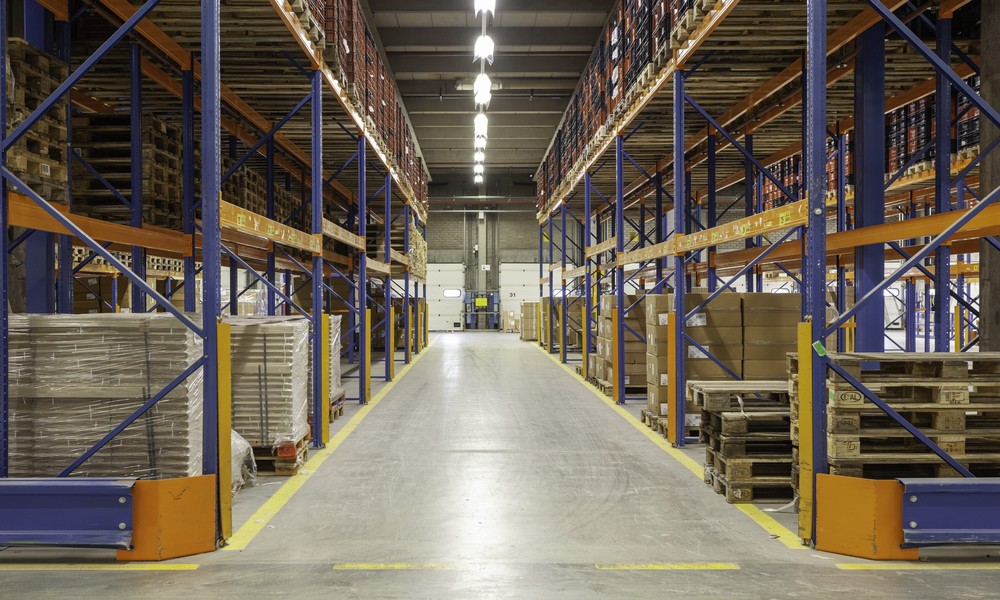

In the humid, bustling heart of Singapore’s industrial landscape, where every square metre commands a premium price, the humble racking system has emerged as something of an unsung hero. These towering structures, methodical and precise, transform chaotic warehouses into symphonies of organisation. One might say they possess a certain quiet elegance, the way they reach towards fluorescent-lit ceilings, holding the promise of order in a world that often feels decidedly disordered.
The Art of Vertical Thinking
Singapore, that gleaming island nation where land is more precious than gold, has taught its business community a vital lesson: when you cannot build outward, you must build upward. The modern warehouse racking system embodies this philosophy with remarkable efficiency. Picture, if you will, a library of commerce, where instead of books, pallets of goods ascend in neat columns, each positioned with the care of a chess master plotting their next move.
The beauty of these systems lies not merely in their height, but in their versatility. They adapt, they reconfigure, they bend to the will of changing inventory needs. A storage racking system that accommodates automotive parts today might cradle electronics tomorrow, pharmaceutical supplies the day after. This flexibility has become essential in Singapore’s dynamic commercial environment, where businesses must pivot with the grace of dancers.
Understanding Your Options
The selection of an appropriate racking system demands thoughtful consideration. Each warehouse tells its own story, and the racking must listen. Consider these primary varieties:
- Selective pallet racking offers direct access to every pallet, ideal for warehouses managing diverse product ranges with moderate turnover
- Drive-in systems maximise density by allowing forklifts to enter the rack structure itself, perfect for high-volume, low-variety inventory
- Push-back configurations provide a compromise between selectivity and density, using gravity and inclined rails to move pallets forward
- Cantilever designs extend their arms to embrace longer items such as timber, pipes, or furniture
- Mezzanine systems create entirely new floors within existing structures, doubling or tripling usable space
As one warehouse manager in Singapore’s Jurong industrial estate observed, “The right racking system doesn’t just store your goods; it tells you exactly where everything lives and breathes.”
Safety: The Foundation of Everything
There exists a particular poetry in well-engineered safety features, though one hopes never to witness their necessity. The industrial racking system installed throughout Singapore must comply with stringent regulations, and rightly so. These structures bear tremendous weight, both literal and metaphorical. They carry not just products, but livelihoods, supply chains, the very infrastructure of commerce.
Regular inspections become rituals of responsibility. Load capacity labels must be visible, respected, treated as gospel. Anchor bolts secure these giants to concrete floors with the determination of ship moorings in a storm. Column guards stand sentinel against errant forklifts. Every beam, every upright, every connector plays its part in this carefully choreographed ballet of structural integrity.
Maximising Every Centimetre
In Singapore, where warehouse rental costs can make even seasoned business owners wince, the pallet racking system becomes an investment rather than an expense. The mathematics prove compelling: a warehouse utilizing vertical space efficiently might achieve three, four, even five times the storage capacity of one relying solely on floor-level storage.
Consider the transformation. What once required 10,000 square feet might now fit comfortably in 3,000. The savings compound: lower rent, reduced cooling costs in climate-controlled facilities, fewer staff needed to manage inventory scattered across vast floor spaces. The warehouse racking system pays for itself, often within months rather than years.
Installation and Ongoing Care
The installation of a proper racking system resembles a surgical procedure more than construction work. Precision matters. Measurements must be exact. Floor levelness checked and rechecked. Professional installers bring years of experience to bear, understanding load distribution, seismic considerations, and the peculiarities of different warehouse configurations.
Maintenance, too, demands attention. Monthly visual inspections catch early warning signs: bent beams, loose bolts, damaged uprights. Annual professional audits provide deeper reassurance. The rack system that receives proper care can serve faithfully for decades, a silent partner in business success.
The Future Rises Upward
Technology continues its relentless march forward, and racking systems march alongside. Automated storage and retrieval systems now interface with traditional racks, guided by sophisticated software that knows precisely where every item resides. RFID tags communicate with inventory management systems, creating real-time visibility that would have seemed like science fiction mere years ago.
Singapore’s warehouses have embraced these innovations with characteristic enthusiasm. The city-state’s commitment to remaining a logistics hub demands nothing less than excellence in every aspect of warehousing, including the fundamental racking system.
In the end, these structures represent more than mere metal and engineering. They embody efficiency, safety, and the human desire to impose order upon chaos. For any Singapore warehouse seeking to maximise space whilst maintaining accessibility and safety, investing in a quality racking system remains not just prudent, but essential.