



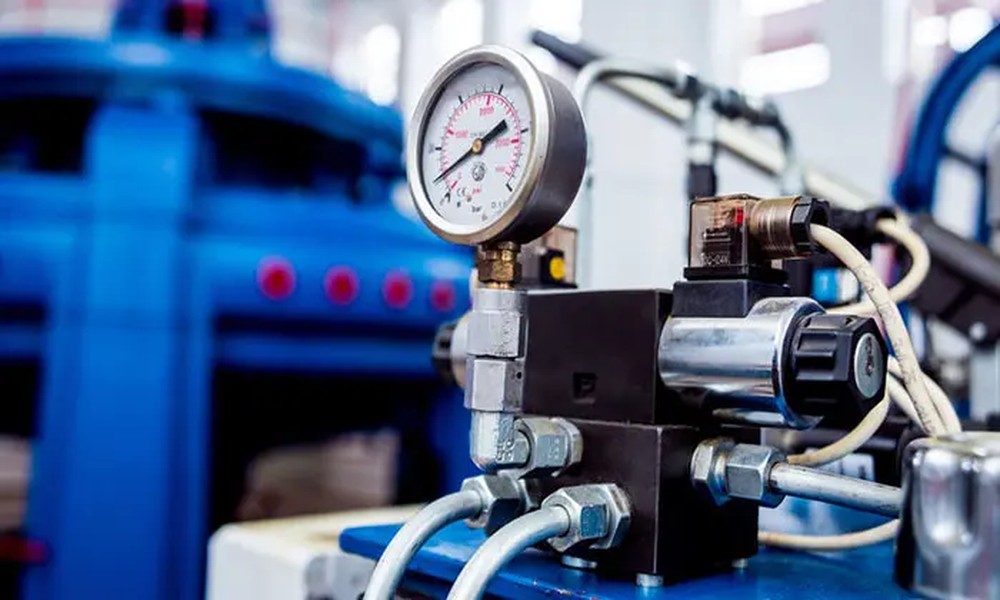

Compressed air is frequently referred to in various industrial contexts as the “fourth utility.” It is one of a facility’s most energy-intensive assets despite being crucial. Going green is only one aspect of optimizing your system; another is drastically reducing overhead expenses and extending the life of your equipment.
1. Match Supply to Actual Demand
A “right-sizing” audit is the first step toward efficiency. It’s like heating a whole warehouse when you only need to warm one office if you produce more air than your equipment needs.
- Audit your flow: Measure your peak and average CFM (Cubic Feet per Minute).
- Pressure control: Don’t overpressurize; you can save 1% of energy for every 2 PSI drop in system pressure.
2. Improve Piping and Physical Layout
Air’s energy is influenced by the route it takes. In order to overcome friction and “pressure drops,” a poorly designed architecture makes the compressor work harder.
- Reduce Distance: Put compressors as close as you can to the main end-use applications.
- Smart Piping: Make sure pipe diameters are big enough to avoid turbulence and use smooth-bore materials. Steer clear of “dead ends” in your piping loop.
3. Implement a “Zero Tolerance” Leak Policy
Silent profit-killers are air leaks. If unchecked, a single 3mm leak can cost thousands of dollars every year.
- Proactive Detection: To identify hissing noises that are inaudible to humans, use ultrasonic leak detectors.
- Resolve at the Source: The majority of leaks happen at joints, hoses, and couplings. The simplest methods to restore lost energy are routine tightening and part replacement.

4. Make Use of Smart Storage and Controls
Air management no longer requires guesswork thanks to modern technology.
- Storage Tanks: Air receivers might be compared to batteries. They stop the motor from continuously turning on and off by buffering brief spikes in demand.
- Smart Sequencing: Multiple compressors can be managed by integrated control systems, guaranteeing that only the most effective set of units is operating at any given time.
5. Harvest Wasted Thermal Energy
Almost 90% of the electrical energy utilized by a compressor is transformed into heat during compression, which produces enormous amounts of heat.
- Heat Recovery: Use heat recovery systems to pre-heat process water or provide room heating for your company rather than releasing this energy outdoors.
6. Commit to Preventive Maintenance
Efficiency is not a “set it and forget it” statistic. Over time, the motor must take more current to maintain the same output due to clogged filters and deteriorated lubricants.
- Clean Intake: Verify that cold, clean air is being drawn in by the compressor.
- Plan Inspections: To guarantee that every component is performing at its best, adhere to a professional service schedule.
Ready to optimize your facility? If you’re looking for specific hardware or technical advice, you can get a quote for a new compressor or contact a technical expert to help analyze your system’s current performance.