




Koi ponds look peaceful from the outside. Clear water, bright fish swishing around, maybe a few lilies, everything feels calm. But beneath that surface? There is waste, debris, sinking food, and who-knows-what settling at the bottom. And that is exactly why drum filters became such a big deal in the koi world.
I came across Burtons Aquatics drum filters while browsing the website of That Pond Guy, and honestly, their explanation just clicked. They described these filters as reliable, tough, and built for ponds that actually work hard. It made me rethink how much effort I was putting into cleaning versus what a drum filter could do automatically.
What Is a Drum Filter
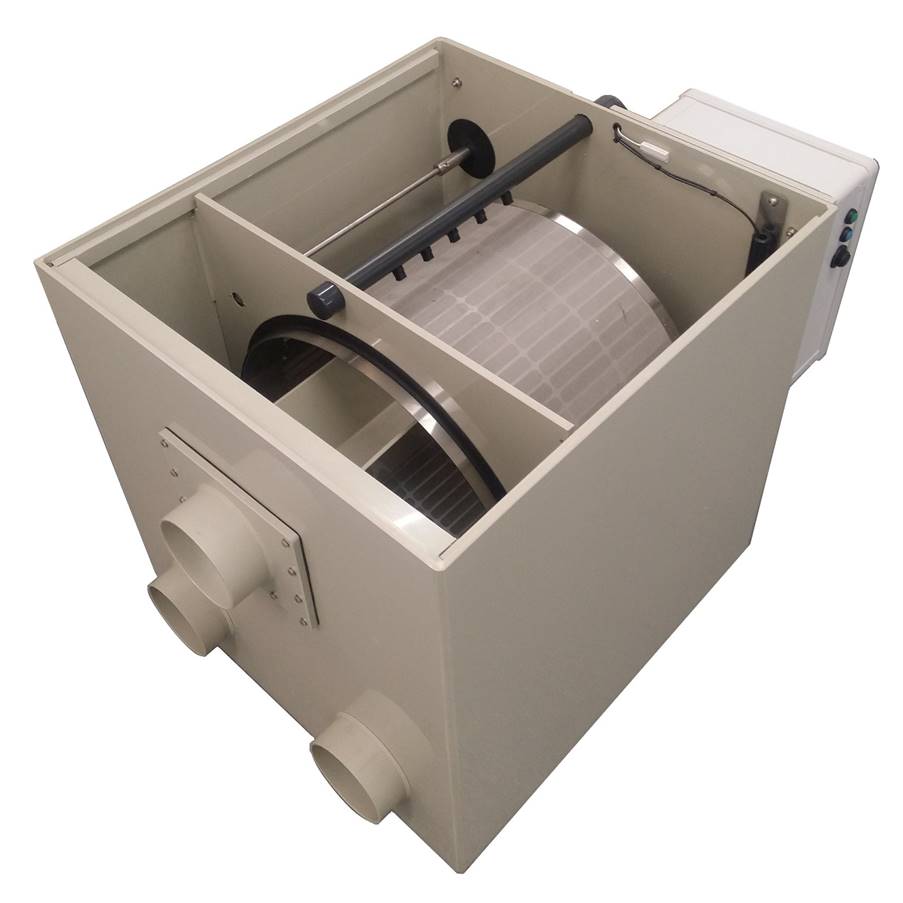
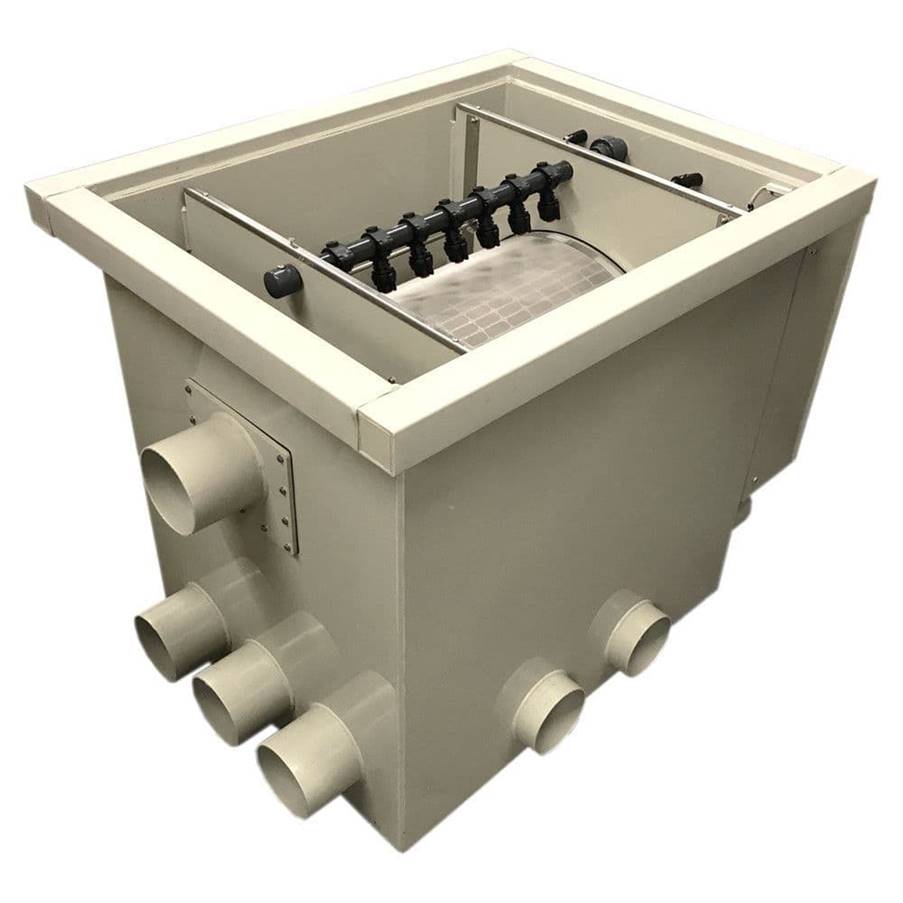
A drum filter, often called a rotary drum filter, is a mechanical system designed to trap and remove solid waste before it breaks down. The idea sounds simple, but the engineering is pretty impressive.
Here is the simple version:
- Dirty pond water enters the drum filter through the inlet.
- It gets pushed against a fine mesh screen.
- Waste sticks to the mesh.
- Clean water continues on its merry way.
- When enough debris builds up, sensors trigger a cleaning cycle.
- The drum rotates, the nozzles spray, and the dirt gets flushed out into a waste channel.
- You barely lift a finger.
Some models even combine mechanical and biological filtration in one unit. These “combi” drums save space and reduce plumbing chaos.
Why Drum Filters Are Becoming Every Koi Keeper’s Favourite Tool
People don’t switch to drum filters for fun. They switch because they are tired of clogged sponges, messy media, and endless rinsing. A drum filter can feel like moving from manual labour to autopilot.
Key benefits:
- Automatic self-cleaning
- Handles large amounts of waste without choking
- Consistent water clarity, even with hungry koi producing constant waste
- Reduced labour, your back and your weekends will thank you
- Better water flow thanks to the unrestricted, clean screen
- Great for large ponds with heavy fish loads
Once you get used to the idea that your filter cleans itself, it is hard to go back to anything else.
Choosing the Right Drum Filter
It is easy to get overwhelmed because drum filters look more “technical” than standard filters. But you really only need to check a few things.
Consider these:
- Pond size and fish count, a bigger pond means bigger filtration demand
- Bottom drain or pump-fed setup
- Flow rates your pump delivers
- Space for installation
- Whether you want a combination
- Ease of access to spare parts
- Budget, because drum filters can be an investment.
Fortunately, brands like Burtons make this easier because their range is clearly sized and explained. That Pond Guy also breaks down specs in a way that is not mind-numbing.
Final Takeaway
If you want clearer water, stronger filtration, and much less hands-on cleaning, a drum filter is one of the best upgrades for a koi pond. Models like Burton’s Aquatics drum filters are reliable and smooth-running. And if choosing feels confusing, That Pond Guy makes comparing options simple without overwhelming you with technical jargon.