



The Art of Sewer Inspections: What to Expect from a Camera Insight
Understanding the Technology: How Sewer Inspection Cameras Work
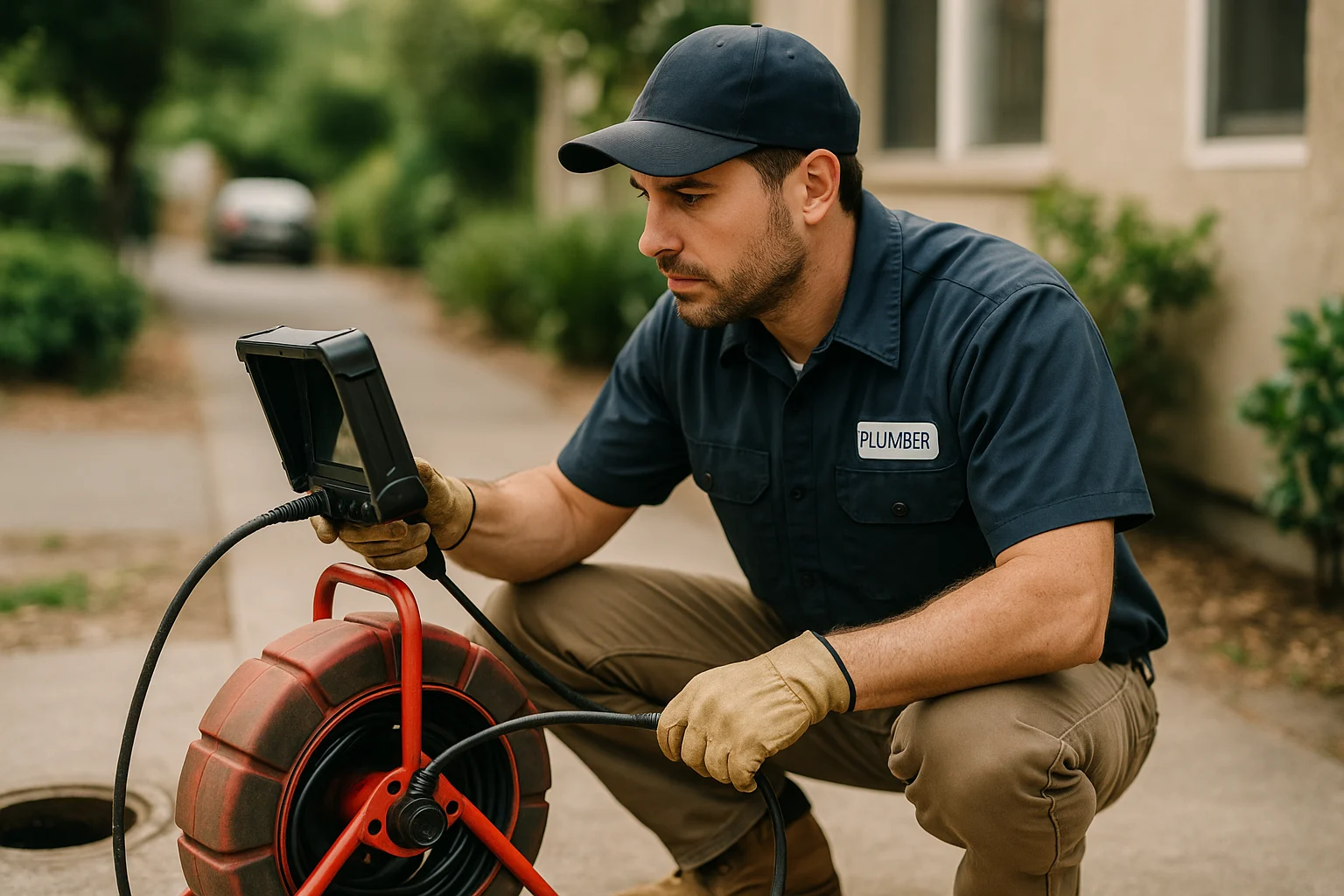
Sewer inspection cameras represent a groundbreaking advancement in plumbing technology, allowing professionals to diagnose issues with unparalleled accuracy. These cameras are equipped with high-definition, water-resistant lenses mounted on flexible cables that can traverse complex piping systems. Typically, the camera lens incorporates LED lights that illuminate the dark interior of pipes, providing a clear view of potential problems that lie hidden from human eyes. The imaging technology utilizes real-time video feed, which is sent back to a monitoring system where inspectors can assess the condition of the pipes accurately.
- The Art of Sewer Inspections: What to Expect from a Camera Insight
- Understanding the Technology: How Sewer Inspection Cameras Work
- The Benefits of Using a Camera for Sewer Inspections
- What Can You Discover? Insights Revealed Through the Lens
- Common Plumbing Problems Unveiled: The Silent Signals to Watch For
- Roots, Grease, and Cracks: The Usual Suspects in Pipe Dilemmas
- Spotting Leaks and Blockages: Timing is Everything
- When to Call in the Experts: Knowing the Right Time for an Inspection
- Demystifying the Inspection Process: Step-by-Step Breakdown
- From Preparation to Execution: Getting Ready for the Inspection
- A Day in the Life: What Happens During a Sewer Camera Inspection
- After the Inspection: Understanding Your Video Footage Results
- Maintaining Your Plumbing Post-Inspection: Preventative Measures to Take
The camera operates similarly to endoscopic devices used in medical fields, employing a sophisticated mechanism to navigate through bends and turns within drainage systems. As the camera travels through the pipes, it records video footage that can capture sharp images of any anomalies such as blockages, leaks, or corrosion. This technology has not only transformed how plumbing inspections are performed but has also enhanced the efficiency of routine maintenance and emergency repairs. Understanding the mechanics behind sewer inspection cameras helps emphasize their critical role in modern plumbing practices.
The Benefits of Using a Camera for Sewer Inspections
Using sewer inspection cameras offers numerous advantages over traditional inspection methods. First and foremost, they provide a non-invasive approach to diagnosing plumbing issues. This means that plumbers can identify problems without the need for extensive digging or demolition, saving both time and money. Since the inspections are conducted without disrupting the landscape, property owners can avoid the costly repairs associated with excavating their yards or sidewalks to reach buried pipes.
Secondly, the level of detail provided by sewer cameras is indispensable for identifying specific issues. The ability to view live feeds allows technicians to make informed decisions on the spot, determining whether a simple cleaning or a more complex repair is necessary. Additionally, the footage captured can be saved and shared with homeowners, providing them with visual evidence of the condition of their plumbing systems. This transparency helps build trust and assists homeowners in understanding the urgency or necessity of repairs.
Furthermore, routine sewer inspections using a camera can lead to proactive maintenance. By identifying minor issues before they escalate into major problems, homeowners can avoid expensive repairs and prolong the lifespan of their plumbing systems. Overall, the integration of sewer inspection cameras into plumbing maintenance not only improves service efficiency but also empowers homeowners with knowledge about their plumbing health.
What Can You Discover? Insights Revealed Through the Lens
The insights revealed by sewer inspection cameras can be both eye-opening and alarming. Through the camera’s lens, technicians can uncover various issues that, if left untreated, could lead to extensive damage and costly repairs. Common discoveries during inspections include tree root intrusions that invade sewer lines, grease build-ups from cooking waste, and broken or cracked pipes caused by shifting soil or age. Each of these issues can severely affect drainage efficiency and, in some cases, cause complete blockages.
Beyond structural damage, sewer cameras can also expose problems such as corrosion, which is more prevalent in older plumbing systems where pipe materials may degrade over time, creating vulnerabilities in the plumbing infrastructure. Furthermore, leaks-often difficult to detect until significant damage occurs-can also be spotted through the use of these small cameras. By pinpointing leaks, homeowners can address them swiftly, preventing water waste and potential flooding or water damage to their properties.
Moreover, sewer inspection cameras can reveal the overall condition of a plumbing system, including signs of wear that might not be immediately problematic but could pose challenges down the line. By gathering this comprehensive information, homeowners can take measured steps towards repairs and upgrades, ensuring the longevity and efficiency of their plumbing systems. In essence, the insights gained from these inspections are invaluable and can prevent minor issues from developing into major plumbing disasters.
Common Plumbing Problems Unveiled: The Silent Signals to Watch For
Roots, Grease, and Cracks: The Usual Suspects in Pipe Dilemmas
Within the intricate network of a home’s plumbing system, certain culprits frequently contribute to the deterioration of pipe integrity. Roots from trees and shrubs are notorious troublemakers in many households. They often infiltrate sewer lines, particularly older ones, as they seek out moisture and nutrients, leading to serious blockages. Once roots establish a foothold within pipes, they can grow, warp, and even break the pipes, rendering them inoperable until extensive repairs are made.
On the other hand, grease buildup is a common and preventable issue arising from cooking practices. Many homeowners fail to realize that pouring fats, oils, and grease down the drain can lead to significant clogs over time. These substances harden, creating blockages that inhibit normal drainage and can even lead to backflow, causing unsanitary and messy situations. Temporarily, it might seem inconsequential, but cumulative grease deposits wreak havoc on plumbing systems and should be addressed promptly.
Lastly, cracked or corroded pipes are further symptoms of aging infrastructure, often exacerbated by external factors like soil movement or freeze-and-thaw cycles. When pipes crack, they may leak, leading to flooding or potential foundation damage. Notably, such damage can progress without immediate signs, making it crucial for homeowners to maintain a vigilant eye on their plumbing to manage these common issues effectively.
Spotting Leaks and Blockages: Timing is Everything
Identifying leaks and blockages early can be the difference between a minor issue and a catastrophic plumbing failure. Homeowners often notice signs such as unusual increases in water bills, damp spots on walls or ceilings, or slow drains-these red flags should never be ignored. Recognizing these symptoms of plumbing woes can lead to timely interventions that significantly reduce repair costs.
For example, a gradual rise in water bills might indicate leaks hidden within walls or beneath floorboards, draining resources without visible evidence. Similarly, slow or sluggish drains might signal a blockage forming somewhere along the pipe, which could worsen over time. Regular inspections can help prevent these developments, encouraging homeowners to invest in maintenance proactively rather than reactively.
Additionally, understanding the timing of these inspections is vital. Homeowners should schedule routine camera inspections, ideally every couple of years, or sooner if they encounter issues. Seasonal changes, particularly the shift from winter to spring, can cause shifting in the ground and thus impact plumbing systems, meriting a preemptive investigation using a sewer inspection camera.
When to Call in the Experts: Knowing the Right Time for an Inspection
Determining when to seek professional assistance for plumbing inspections can alleviate potential headaches down the line. Signs that merit a call to a plumber include recurring clogs, persistent foul odors emanating from drains, or visible damage in nearby areas, such as leaking or moisture-laden walls. These moments indicate that a deeper issue lies within the plumbing system, requiring the expertise of professionals equipped with advanced technology.
Moreover, any sudden changes in water pressure, strange sounds emanating from pipes, or unusual pooling of water in the yard should similarly prompt homeowners to reach out for a sewer inspection. These symptoms signal that something is awry, and addressing them promptly can aid in preventing further deterioration.
Ultimately, understanding the importance of regular inspections and being aware of these telltale signs can empower homeowners to take a proactive stance in safeguarding their plumbing systems. By doing so, they not only enhance their plumbing’s longevity but also fortify their home against the disruptive force of major plumbing failures.
Demystifying the Inspection Process: Step-by-Step Breakdown
From Preparation to Execution: Getting Ready for the Inspection
Approaching a sewer inspection thoughtfully can help streamline the process significantly. Preparing for the inspection begins with clearing the area around exterior cleanouts-these access points enable technicians to introduce the camera effectively. Homeowners should ensure that any landscaping or obstructions be moved to make way, granting technicians clear access to the necessary entry points.
Additionally, communication with the inspection team is paramount. Homeowners should be ready to share any history of plumbing issues or concerns they may have noted. This information assists the inspectors in tailoring their approach to the specific needs of the property, leading to a more effective inspection. It’s advisable to ask questions and seek clarifications on the process to better understand what to expect, which can simplify the entire experience.
Ultimately, preparation sets the tone for the inspection. By being organized and open with communication, homeowners can help ensure that the inspection proceeds smoothly and that they make the most of the insights gained from the sewer inspection camera.
A Day in the Life: What Happens During a Sewer Camera Inspection
During a sewer camera inspection, the process is straightforward yet methodical. The technician will initially conduct an overall assessment of the plumbing system, identifying key access points and inspecting the condition of exterior plumbing. Once the inspection location is chosen, they will clear any debris if necessary and attach the camera to a long, flexible cable that is inserted into the sewer line.
As the camera navigates through the pipes, the technician monitors the live feed closely, capturing images of the interior plumbing condition. They’ll note any concerns, such as cracks, clogs, or signs of corrosion, taking care to document these findings for later analysis. The technician, skilled in interpreting the footage, will also utilize their experience to assess the severity of any issues encountered as they proceed.
The entire process usually takes anywhere from one hour to a couple of hours, depending on the complexity of the plumbing system. Once the inspection is complete, technicians will review the footage and provide a summary of their findings. Homeowners can expect a comprehensive report detailing any issues discovered, along with recommendations for necessary repairs or maintenance required to uphold the plumbing system’s integrity. This clarity significantly demystifies plumbing conditions, serving as a foundation for informed decision-making regarding repairs.
After the Inspection: Understanding Your Video Footage Results
After completing the sewer inspection, homeowners will receive a detailed report accompanied by video footage of the inspection findings. Watching the video can be enlightening, as it offers a direct look at the condition of one’s plumbing system. Often, the footage brings to light unexpected issues, revealing areas requiring immediate attention or those that may escalate into larger concerns if left unaddressed.
Furthermore, the report generated typically includes photographs taken during the inspection, annotated with notes from the technician highlighting key findings. This combination of visuals and expert commentary helps homeowners understand what they’re dealing with, allowing them to grasp the urgency and implications of the issues found. The report should help clarify the next steps required-be it immediate repairs, recommended preventative measures, or options for routine maintenance-empowering owners to make informed decisions.
Ultimately, the results of a sewer inspection not only serve to address current challenges but also facilitate ongoing maintenance by equipping homeowners with the necessary knowledge to manage their plumbing systems effectively. By understanding the findings of their sewer inspection, homeowners can take proactive steps toward preserving their plumbing health and avoiding future unpleasant surprises.
Maintaining Your Plumbing Post-Inspection: Preventative Measures to Take
Proactive Maintenance: Tips for Long-Term Pipe Health
Once a sewer inspection has been conducted, implementing proactive maintenance strategies is paramount for preserving plumbing health. Homeowners should engage in regular cleaning of sewer lines, utilizing safe, non-corrosive products specifically designed for this purpose. These solutions can effectively break down buildup, preventing the problematic accumulation of grease and other damaging substances over time.
In addition, homeowners should establish a schedule for routine inspections based on the condition report provided after the camera inspection. This schedule can help to maintain vigilance over potential issues, allowing for proactive, rather than reactive, measures. Armed with insights from the inspection, homeowners can engage their plumbing professionals to anticipate when inspections should occur and which pipes require closer observance.
Educating family members about what can and cannot be flushed down toilets or washed down sinks can further contribute to better maintenance. Ensuring that everyone understands the importance of regular upkeep will foster a culture of cleanliness and protection within the home. By committing to these proactive measures, homeowners can significantly mitigate risks and enhance the longevity and efficiency of their plumbing systems.
Regular Inspections vs. Emergency Fixes: Finding a Balance
Finding the right balance between regular inspections and urgent repairs is essential for good plumbing health. Investing in routine inspections can save homeowners significant costs in emergency repairs. Those who opt for periodic professional check-ups can identify potential issues before they escalate, addressing them while they remain manageable. This proactive approach not only mitigates unexpected expenses but provides peace of mind regarding the state of one’s plumbing systems.
However, despite the best preventive measures, emergencies can occur, necessitating immediate attention. Homeowners must remain vigilant to recognize when a situation demands urgent intervention. It is advisable to keep a list of local plumbing professionals on hand to ensure rapid response rates in emergencies. Understanding the difference between scheduled maintenance and immediate repairs can provide homeowners with a roadmap to navigate plumbing ownership successfully.
Ultimately, establishing a regular inspection schedule paired with quick access to professionals on-hand allows homeowners to protect their investments, avoiding the pitfalls and frustrations associated with plumbing emergencies.
When DIY Solutions Work and When They Don’t: Know Your Limits
While many plumbing problems can be tackled through DIY solutions, it is crucial for homeowners to recognize their limits. Simple tasks, such as unclogging drains using a plunger, clearing minor blockages, or performing routine maintenance can often be accomplished without professional assistance. However, as issues become more complex or if there’s uncertainty about the underlying cause, it is advisable to seek professional expertise instead.
For example, attempts to resolve recurring clogs with chemical drain cleaners can sometimes lead to more significant problems, such as pipe damage, instead of resolving the root cause. It is also crucial to avoid invasive actions, such as digging up pipes or making significant alterations to plumbing systems without the guidance of a qualified professional.
Knowing when to step back and call in the experts is vital for homeowner safety and long-term plumbing health. Effective decision-making in plumbing management ensures that small problems remain manageable and that any significant issues are addressed by experienced technicians, preserving the integrity and functionality of the home’s plumbing system. Ultimately, maintaining a realistic understanding of follow-through is integral to effective plumbing management, empowering homeowners to balance basic repairs while recognizing when professional aid is necessary.